
EXPLORE MIDWIFERY
Understanding Midwifery Care
A Tradition of Care. A Profession Rooted in Knowledge.
Midwifery brings together clinical expertise, evidence-informed practice, and a deeply personal approach to healthcare. Across generations and throughout communities, midwives have supported individuals and families through some of life's most meaningful transitions.
WHAT IS MIDWIFERY?
More Than Birth. A Continuum of Care.
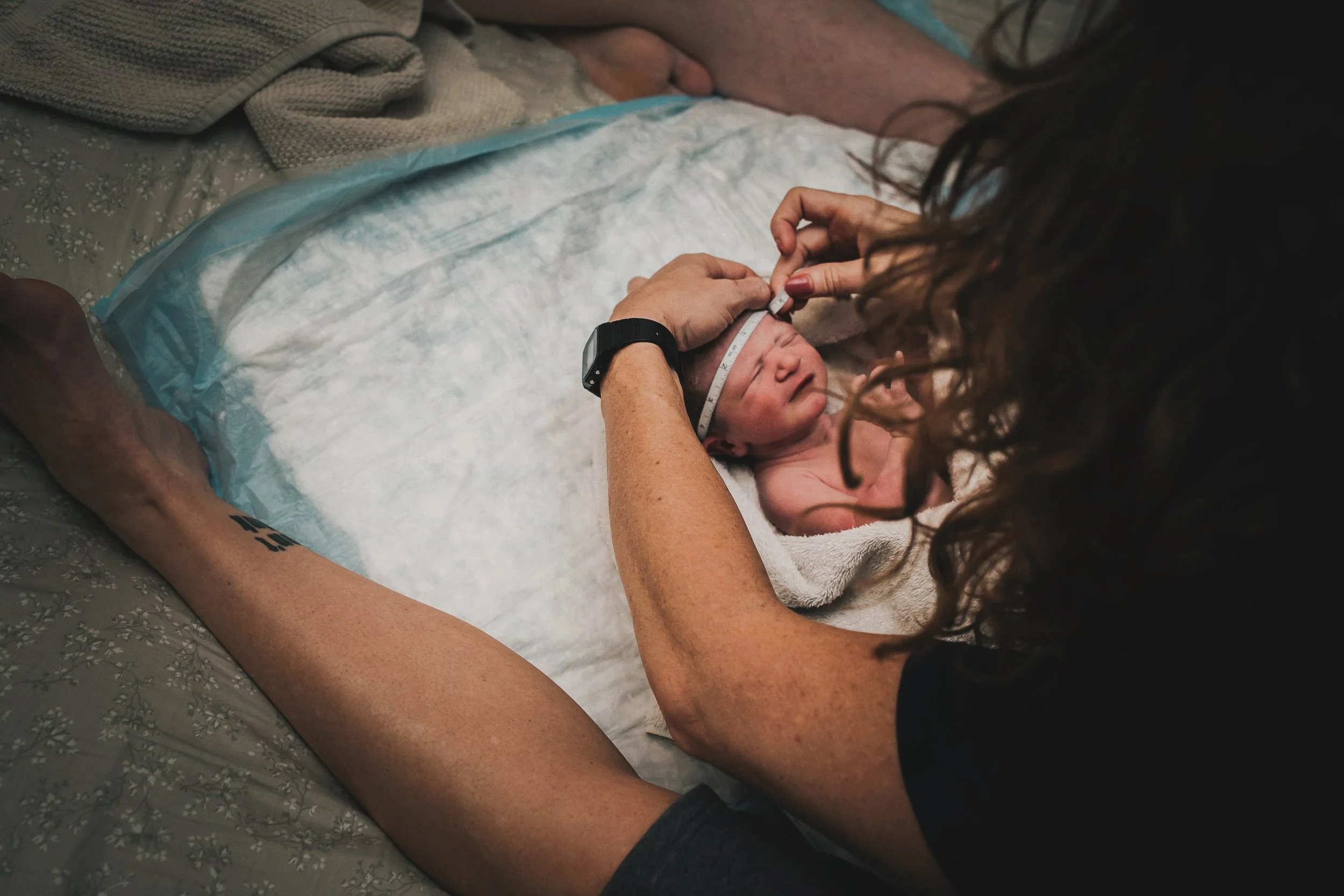
Midwifery is a healthcare profession centered on the health and well-being of women, newborns, and families. Midwives provide individualized care that integrates clinical knowledge, preventive health, education, and shared decision-making.
Depending on their education, credentials, and authorized scope of practice, midwives may provide care throughout pregnancy, labor, birth, postpartum recovery, newborn care, and reproductive and gynecologic health.
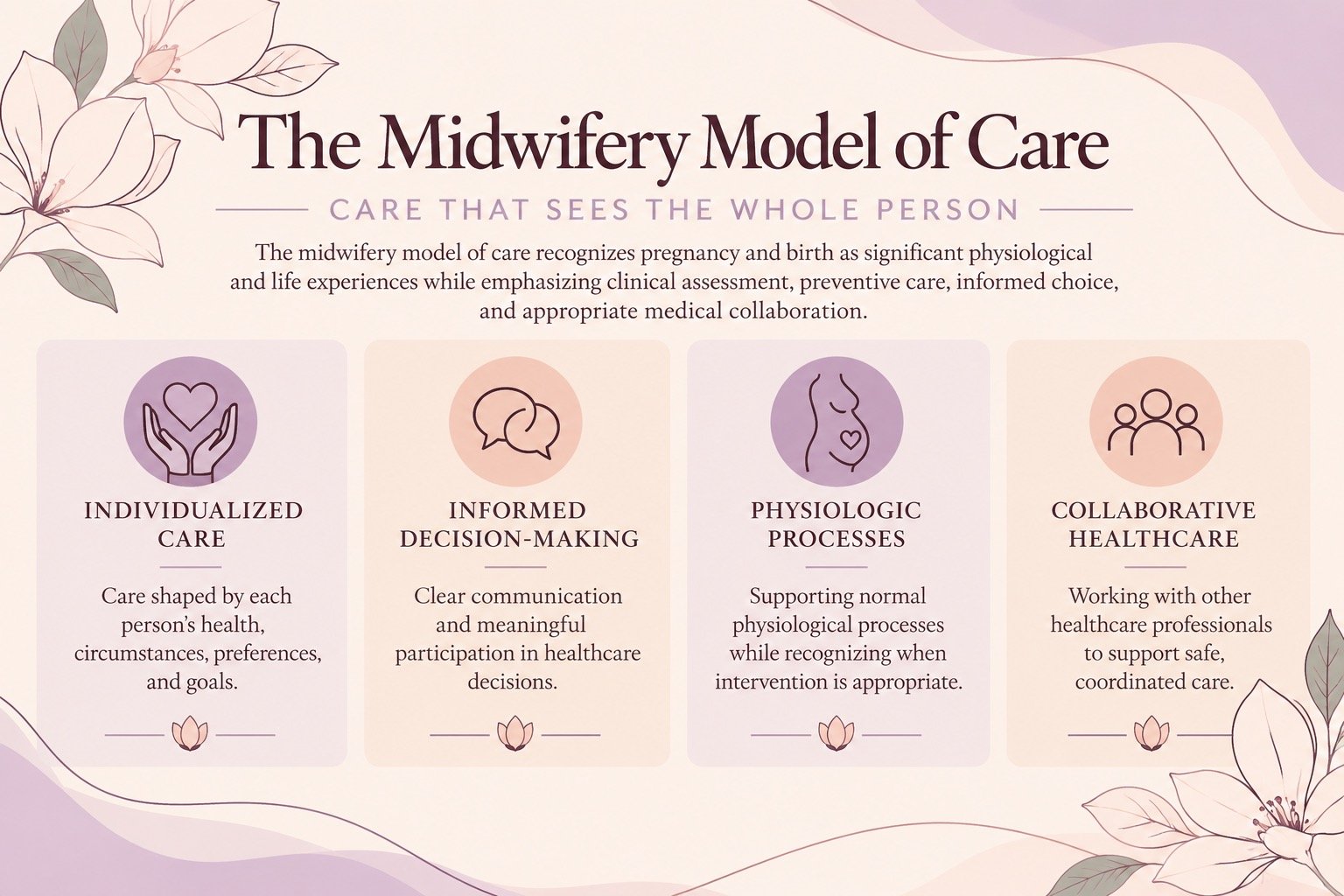
At its heart, midwifery recognizes that excellent healthcare involves more than clinical assessments. It requires meaningful relationships, thoughtful communication, and respect for each person's individual needs, values, and experiences.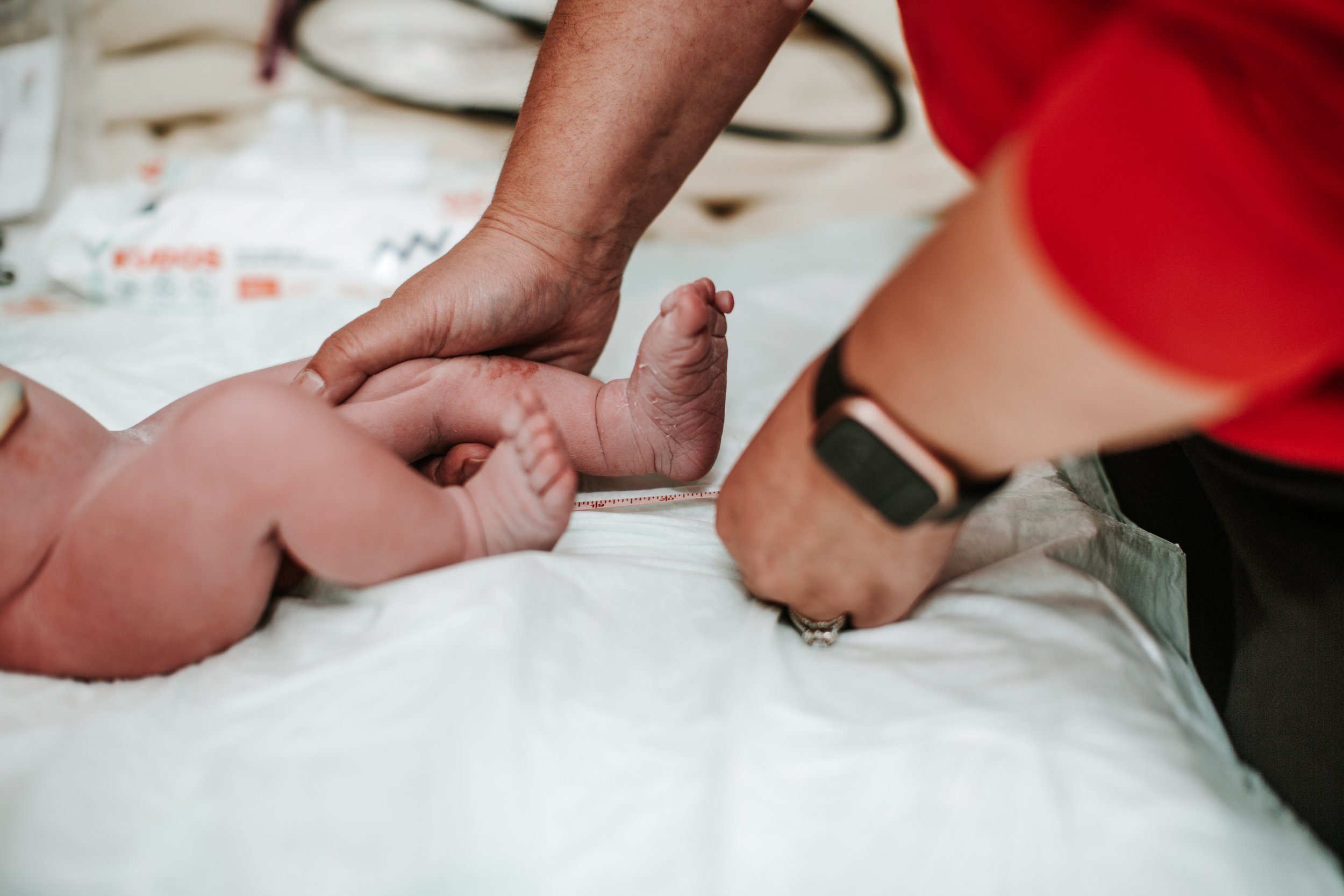
UNDERSTANDING MIDWIFERY PATHWAYS
Different Pathways. A Shared Commitment to Care.
Traditional and Community-Based Midwives
Traditional and community-based midwifery carries a rich and enduring legacy of knowledge, wisdom, and compassionate care passed down through generations. From the longstanding traditions of Granny Midwives to those practicing today, these midwives have played an invaluable role in supporting families, strengthening communities, and shaping the profession. Their traditions of apprenticeship, mentorship, and experiential learning continue to influence midwifery education across professional pathways. Traditional and community-based midwives remain a valued and integral part of today's midwifery community, honoring the past while contributing to its future. Qualifications and legal recognition vary from state to state.Certified Professional Midwife (CPM)
Certified Professional Midwives meet national certification requirements focused on pregnancy, birth, postpartum, and newborn care, with particular emphasis on community-based birth settings. Certification pathways include MEAC accredited midwifery programs and the North American Registry of Midwives (NARM) Portfolio Evaluation Process (PEP), an experiential pathway grounded in the longstanding tradition of apprenticeship and supervised clinical training. State recognition, licensure requirements, and scope of practice vary.Certified Nurse-Midwives (CNM)
Certified Nurse-Midwives are advanced practice registered nurses who complete graduate-level education in nurse-midwifery and obtain national certification. Their education prepares them to provide comprehensive healthcare throughout pregnancy, labor, birth, postpartum recovery, and the newborn period, as well as reproductive, gynecologic, and preventive healthcare across the lifespan. CNMs practice in a variety of settings, including hospitals, birth centers, clinics, and homes. Licensure requirements, scope of practice, and professional authority vary from state to state.Certified Midwives (CM)
Certified Midwives are healthcare professionals who complete graduate-level midwifery education and obtain national certification without first becoming registered nurses. Their education prepares them to provide comprehensive care throughout pregnancy, labor, birth, postpartum recovery, and the newborn period, as well as reproductive, gynecologic, and preventive healthcare across the lifespan. CMs share the same national certification examination and core midwifery competencies as Certified Nurse-Midwives (CNMs). Licensure, legal recognition, scope of practice, and authorized practice settings vary from state to state.WHERE MIDWIVES PRACTICE
Care Across Different Settings
Midwifery care is provided in a variety of healthcare environments. The appropriate setting depends on individual health needs, available services, professional credentials, and applicable laws.
HOME BIRTH
Home birth offers families the opportunity to experience labor and birth in the comfort and familiarity of their own environment, supported by individualized, evidence-informed midwifery care. For appropriately screened, low-risk pregnancies, planned home birth emphasizes physiologic birth, informed decision-making, continuity of care, and the thoughtful use of interventions. Midwives providing home birth care use ongoing maternal and fetal assessments, clinical judgment, and established protocols to monitor well-being, recognize complications, and facilitate timely consultation or transfer to hospital-based care when necessary. Safety considerations, available services, and legal requirements vary by location.
BIRTH CENTER
Birth centers offer a welcoming, family-centered environment that combines the comforts of a home-like setting with evidence-informed midwifery care. Designed to support physiologic pregnancy and birth, birth centers emphasize individualized care, informed decision-making, continuity of support, and the appropriate use of some medical interventions. For carefully screened, low-risk pregnancies, midwives provide ongoing maternal and fetal assessments, clinical monitoring, and skilled support throughout labor, birth, and the immediate postpartum period. Birth centers operate within established clinical protocols, with arrangements for consultation, referral, and timely transfer to hospital-based care when additional medical services are needed. Available services, regulatory requirements, and professional scopes of practice vary by state.
HOSPITAL
Midwives provide comprehensive, evidence-informed care in hospitals and clinical settings, supporting pregnancy, labor, birth, postpartum recovery, and reproductive health. Working collaboratively with physicians, nurses, and other healthcare professionals, they integrate the midwifery model of care within a setting that offers access to advanced medical resources and specialized services when needed. Their approach emphasizes individualized care, informed decision-making, and support for physiologic birth while ensuring access to appropriate medical interventions.CHOOSING A MIDWIFE
Finding the Right Midwife for You
Choosing a midwife is an important and personal decision. Finding the right provider begins with understanding your individual needs, preferences, and expectations for care. A strong midwife-client relationship is built on trust, open communication, mutual respect, and informed decision-making.
Families are encouraged to explore a midwife's education, credentials, clinical experience, philosophy of care, and approach to collaboration with other healthcare professionals. Understanding the services offered, available birth settings, and arrangements for consultation, referral, and emergency transfer can help families make confident, informed choices about their care.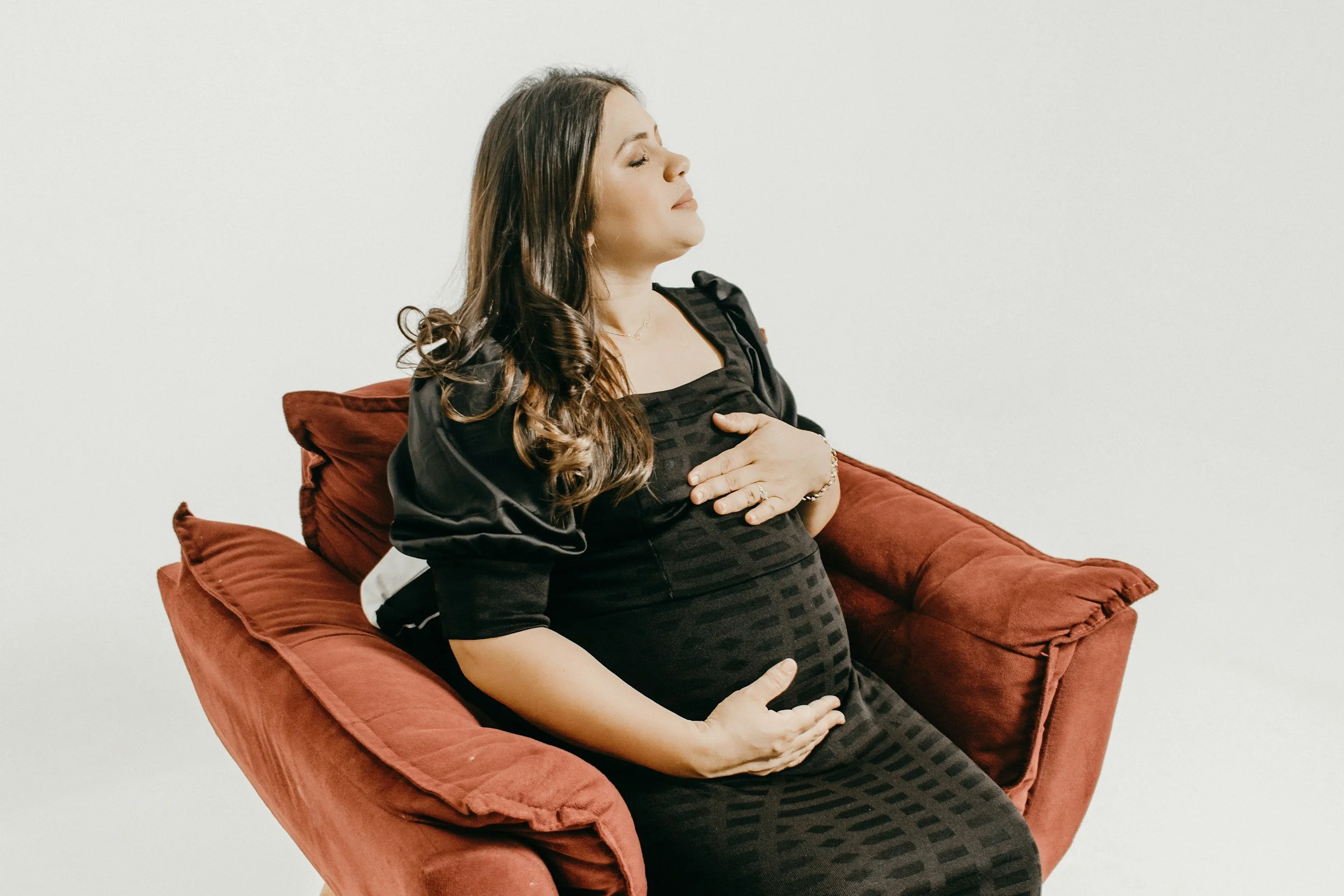
YOUR JOURNEY. YOUR CHOICES.
Explore Your Options. Discover Your Care.
Whether you're beginning to explore midwifery, preparing for birth, or seeking additional support, the Georgia Midwifery Association is committed to connecting families with education, resources, and the broader midwifery community.